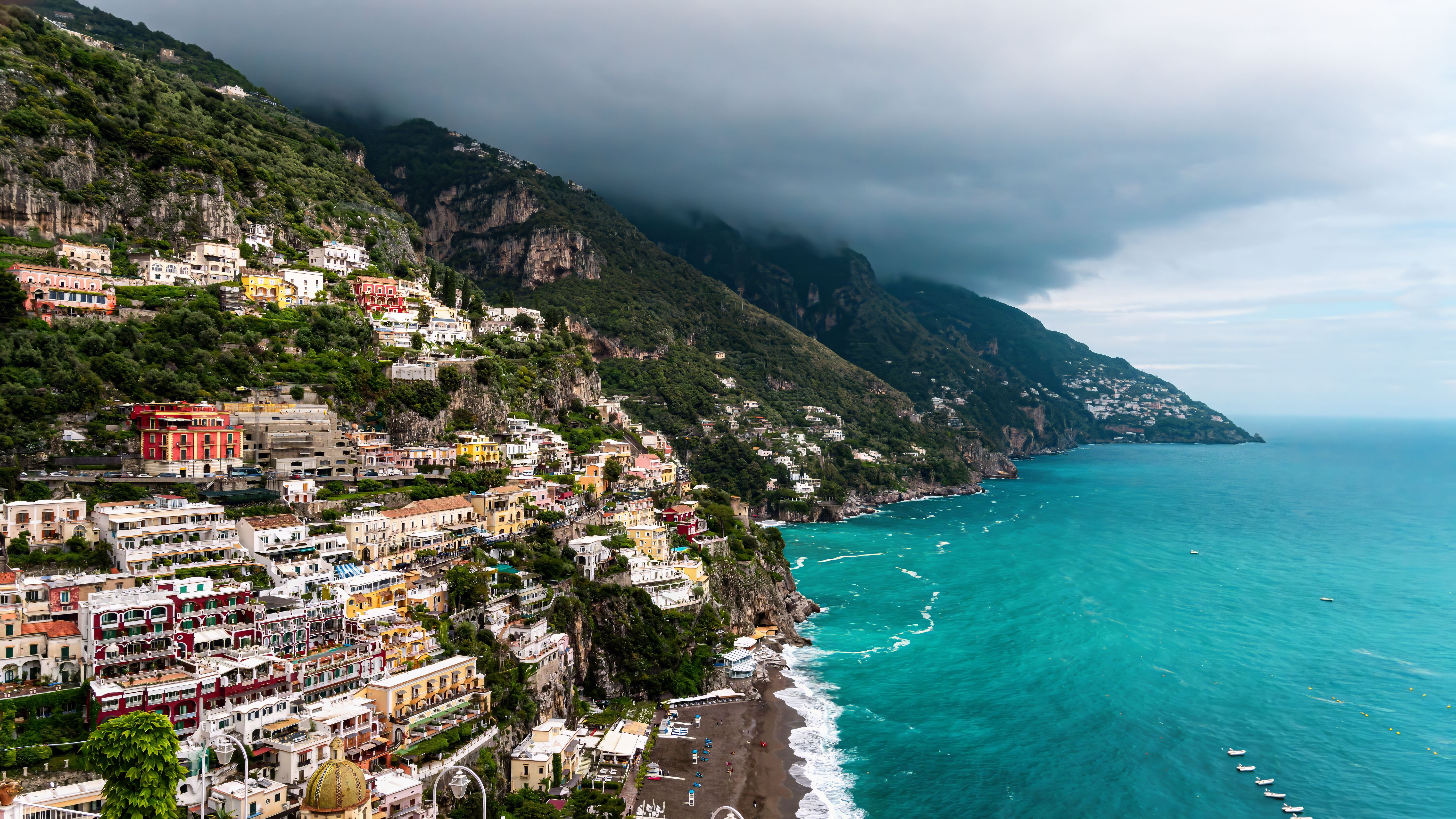
Positano — pastel villages cascading to the Tyrrhenian Sea

Amalfi Coast, Italy · Cliff Village

Positano

A village that descends in pastel tiers to the sea, and never apologises for the view.

No need to read on

Skip ahead — plan your Positano escape now.

Tell us your dates and your pace. Personalised suggestions, never confirmed reservations.

Plan My Escape — £19.99

The Case for Going

The photograph does not lie.

John Steinbeck wrote about Positano in 1953 — "It is a dream place that isn't quite real when you are there and becomes beckoningly real after you have gone" — and the village has had the decency to remain, essentially, the same. The pastel houses still descend the cliff in tiers. The fishing boats still come in before anyone is awake. The light still does something in the early evening that no camera, in seventy years of trying, has captured correctly.

It is one of the world's most copied landscapes — the colour palette alone has been borrowed by hotel designers from Santorini to Bali. But the original remains singular. The scale is human. The smell of lemon and salt and bougainvillea is specific. The Tyrrhenian at the bottom of the village, seen from a terrace twenty metres above it, is still capable of stopping conversation.

For a couple seeking the archetypal Italian holiday, Positano is both the obvious answer and the correct one. The task is knowing which hotel to stay in, which month to come, and which coves to find by boat. With those three questions answered well, the village rewards you with one of the world's great weeks.

The Destination at a Glance

A vertical village above the Tyrrhenian, four thousand people and ten times as many stairs.

Positano clings to the western end of the Amalfi Coast, about 45 minutes by road from Sorrento and 18 kilometres from the town of Amalfi. It is, by any measure, a small place — about four kilometres of cliff face, a single main road that winds through it from top to bottom, and a pebble beach at the base. The permanent population is around four thousand; the summer population on any given July morning is considerably larger.

The architecture follows the hillside strictly: the wealthy built at the top (closer to the road, easier access, better views of everything); the fishing community built at the bottom (closer to the boats). The result, seen from the sea, is a composition that painters have been working with since the 18th century. The best hotels take advantage of position in both directions — some embedded into the cliff halfway up, some at the very edge of the water.

Positano connects by ferry to Capri (40 minutes), to Amalfi town (25 minutes), to Ravello (by ferry to Amalfi then transfer), and to Naples (1.5 hours). A week based here with a private boat for the days and a driver booked for the Ravello afternoon covers the coast comprehensively without ever needing to confront the road more than twice.
Best Time to Visit

When to go.

May – Jun

Ideal Window

Warm enough to swim from mid-May, not yet crowded enough to make the village feel overwhelmed. The wisteria and lemon blossom in full expression. Hotels are at high-season rates but not yet at their ceiling.

Sep – Oct

The Considered Choice

The sea at its warmest. The crowds departing from the second week of September. October in Positano — golden light, near-empty terraces, restaurants that have time for you — is arguably the finest version of the village.

Jul – Aug

Peak Season

Maximum crowds, maximum heat, maximum prices — and still magnificent. Book twelve months ahead, secure a hotel with a private beach or boat service, and plan the days to start early and retreat by noon.

Where to Stay

Five worth knowing.

A short list, not a directory. Position on the cliff matters here as much as the quality of the room — we factor both.

01

Il San Pietro di Positano

Southern cliff face, Positano

The Amalfi Coast's most theatrical address. A private elevator descends fifty metres through solid rock to a private beach accessible by no other means. Rooms are built into the cliff itself — several with outdoor bathtubs suspended above the Tyrrhenian. The kitchen garden supplies the restaurant; the olive grove supplies the table oil; the sense of remove is total.

Best for

Couples who want the full cinematic Positano moment, delivered entirely without compromise and entirely without the village below.

02

Le Sirenuse

Upper village, Positano

The 18th-century villa at the top of Positano that the Sersale family converted in 1951 and has not surrendered to mediocrity since. Forty-nine rooms, a rooftop pool aimed at the sea, and a bar — Franco's — that serves the Amalfi Coast's finest Negroni. The standard against which everything on this coastline is measured.

Best for

Couples who want to sit at the centre of one of the world's great romantic addresses and feel the full weight of its history.

03

Palazzo Murat

Village centre, Positano

The most quietly prestigious address within the village itself, set in the walled gardens of Joachim Murat's 18th-century palazzo. Thirty rooms arranged around a courtyard of lemon trees and bougainvillea. Two minutes on foot to the beach; five to the waterfront restaurants. For couples who want to walk rather than descend by cable and step.

Best for

Couples who want to walk to dinner, walk home, and never need a driver during the stay.

04

Hotel Poseidon

Upper village, Positano

The family's considered alternative to the glamour further up the hill. Smaller, more intimate, with a terraced garden of bougainvillea and lemon groves and a sense of what Positano felt like before the world arrived. The pool terrace at sunset, with a glass of local Fiano, is the particular experience it offers — and it is quietly sufficient.

Best for

Couples seeking genuine charm over celebrity cachet, and a price point that rewards the decision.

05

Villa Treville

Between Positano and Praiano

Four villas set into the cliff between Positano and Praiano, formerly the private home of director Franco Zeffirelli. Available for private rental with a resident chef, a private path to the sea, and a swimming pool of extraordinary position. The absolute privacy that Positano village can no longer offer, within sight of its lights.

Best for

Couples who want Positano's light and coast but require their own world within it — total privacy, private chef, no neighbours.

Beyond the Beach Chair

What to do.

Private gozzo on the water

Hire a wooden gozzo with a captain for the day and you will see the coast that Positano hides from land: the limestone sea caves, the hidden coves at Arienzo and La Porta, the Li Galli islands where Massine and later Nureyev lived, and the wall of cliff that puts the village in perspective. Lunch on board, swimming from the boat, and return by six. The definitive Positano day.

Ravello by driver

A private driver, forty minutes up the mountain, delivers you to the altitude at which the Amalfi Coast makes most sense. Villa Cimbrone's Terrazza dell'Infinito — a marble-busted terrace 300 metres above the sea — and a long lunch at Cumpa Cosimo are the two fixed points. Return by five, swim from the hotel or the private beach, and watch the light change from a good terrace.

The Path of the Gods

The Sentiero degli Dei follows the cliff tops above Positano towards Praiano — a walk of three to four hours with views that cannot be described adequately and should not need to be. Early start in summer. A private guide means you find the right path and stop at the right places. A driver waits at the Praiano end. The descent back into Positano, down steep stone steps through lemon groves, takes about an hour.

Capri, early

The first ferry from Positano to Capri leaves early and arrives before the Naples boats. That window — perhaps two hours — is when the island gives you access to the Blue Grotto without a ninety-minute queue, the Piazzetta without the crowd, and the main path to Anacapri in relative quiet. Stay for a long lunch at Il Riccio above the water and return on the afternoon boat.

Shopping and the ceramics

Positano's fashion industry is genuinely local — the linen dresses and resort wear produced here are made by local ateliers, not shipped in. The ceramics sold in the village come mostly from Vietri sul Mare, an hour east, but the quality is consistent. The village between nine and eleven in the morning, before the ferries arrive, is an unexpectedly pleasant place to browse.

What to Eat and Drink

Fish, lemon, and a great deal of very good wine.

Positano's waterfront restaurant scene has improved dramatically over the past decade, driven partly by the arrival of serious hotel dining (the kitchen at Il San Pietro is now considered one of the coast's best) and partly by the return of local chefs who trained elsewhere and came home. The standard tourist trap — overpriced pasta, indifferent service, view compensating for everything — still exists but is increasingly avoidable with prior knowledge.

Lo Guarracino, on the path to the Fornillo beach, is the correct answer for fish: a terrace above the water, proper Campanian cooking, and a wine list that takes the local Fiano d'Avellino and Falanghina more seriously than anywhere else in the village. Next Door — the informal restaurant at Le Sirenuse — is the best lunch option at the centre of the village. For the finest dinner on the entire coast, drive to Ravello and book the Belvedere at the Caruso.

The bar at Le Sirenuse, Franco's, serves the coast's best Aperol Spritz and its finest Negroni. Go for the golden hour: it begins to fill at six and peaks somewhere around eight, when the light on the sea below has gone entirely gold and the conversation becomes secondary to the view.

The Bespoke Horizons View

The world's most painted village — and it still deserves a canvas.

Positano risks being loved to death — the photographs have circulated so widely that the village has become a destination people visit to confirm what they have already seen, rather than to discover. And yet the village itself is more than its photographs. The scale is smaller than expected. The colour is more saturated. The light, at the right hour, is doing something the camera cannot hold.

The mistakes here are predictable and avoidable: coming in August without advance planning, staying in a hotel without a view, spending the days on the main beach rather than on a private boat. With those corrected, Positano reveals itself as one of the few places in the world that genuinely exceeds its reputation.

Steinbeck wrote "it bites deeply and it stays" — and seventy years later, the diagnosis holds.

Essential Information

The practical detail.

Currency
Euro (€); all major cards accepted
Language
Italian; English spoken in all hotels and most restaurants
Flights from UK
2.5 hours to Naples (Capodichino); 1.5-hour road or ferry transfer
Time zone
GMT +1 (summer: GMT +2)
Visa
No visa required for UK/EU citizens
Getting around
On foot or by boat — Positano is vertical; cars are impractical in-village
Tipping
Coperto (cover charge) included; rounding up for excellent service is appreciated
Budget range
£500–£2,500+ per person per night at the cliff addresses

Frequently Asked

Questions, considered.

Plan Your Positano Escape

Your personalised Positano itinerary, in your inbox within minutes.

The right hotel for your position on the cliff, a private gozzo booked for the first full day, the right coves, and a Ravello evening that justifies the drive — the detail that turns a beautiful village into an extraordinary week.

Bespoke Horizons provides personalised travel planning and itinerary suggestions. We are not a booking agent and all recommendations are non-binding. Hotel availability, pricing, and policies are subject to change — verify current details directly with properties before booking.

Ready to plan your Positano escape?

Plan My Escape — £19.99