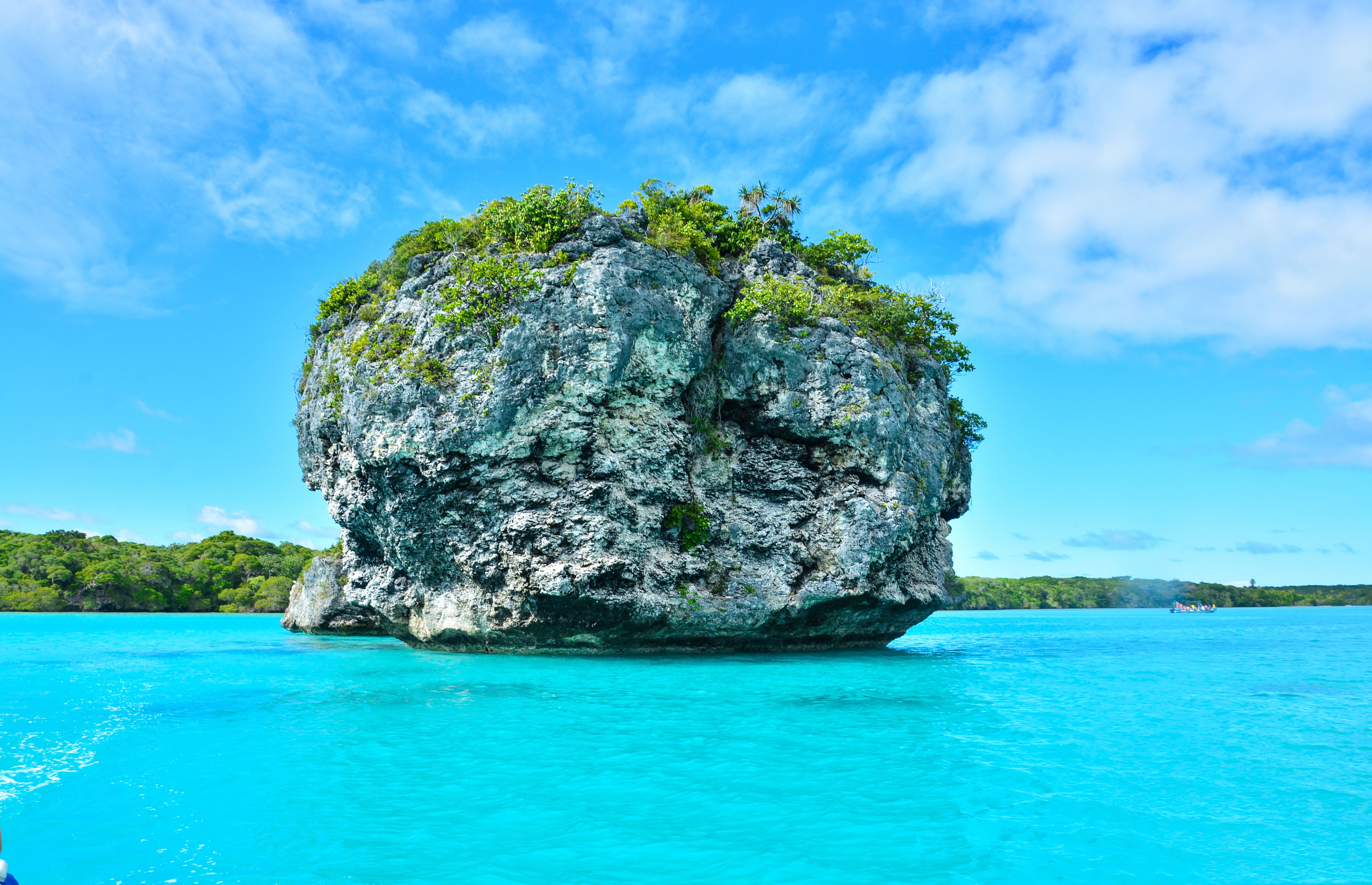
New Caledonia — the turquoise UNESCO-listed lagoon and coral reef of the South Pacific

French Overseas Territory, South Pacific · UNESCO Lagoon · 24,000 km² of Reef

New Caledonia

The world's second-largest lagoon, UNESCO-inscribed and the colour of no lagoon in France. Paris-quality restaurants 30 minutes from Kanak tribal villages. The Isle of Pines, the closest thing to paradise in the South Pacific, and the Renzo Piano masterpiece that is the most extraordinary building south of the equator.

No need to read on

Skip ahead — plan your New Caledonia escape now.

Tell us your dates and your pace. Personalised suggestions, never confirmed reservations.

Plan My Escape — £19.99

The Case for Going

The Pacific island group with the most sophisticated food and wine culture, the most architecturally remarkable cultural institution, and the most biologically diverse reef system in the southern hemisphere.

New Caledonia (a French overseas territory 1,500 kilometres east of Australia, 270,000 residents on the main island of Grande Terre and the surrounding island groups, under French sovereignty since 1853 with progressive autonomy since the 1998 Nouméa Accord) is the Pacific island destination with the most complex political, cultural, and culinary profile in the region. The French administrative inheritance (Paris-funded infrastructure, French supermarket chains stocking metropolitan produce, wine cellars in Noumea restaurants carrying Burgundy and Bordeaux as standard) and the Kanak indigenous culture (33 distinct Melanesian languages, the living chieftainship system governing most rural communities, the most complete traditional ceremonial culture in French Polynesia) coexist in a tension that has produced three independence referendums and one of the most politically charged territories in the Pacific.

The result, for the luxury traveller, is the Pacific's most cosmopolitan destination: a territory where the dining is genuinely French in technique and standard, the wine is actually French (from France, not from local vineyards), the reef is UNESCO-protected and biologically extraordinary, and the cultural experience (the Tjibaou Cultural Centre, the Kanak village community tourism, the coastal customary sea rights system) is more intellectually substantive than any other Pacific territory provides.

The Isle of Pines is the most cinematically beautiful island in the South Pacific. The lagoon is the second-largest in the world. The Château Royal's wine list is the best in the Pacific. These three facts alone justify the 24-hour journey from London.

The Destination at a Glance

Three essential zones: Noumea (French culinary and cultural capital), the Isle of Pines (the most beautiful island in the southern Pacific), and the east coast (Hienghène's limestone landscape and the Kanak heartland).

Noumea (the capital, on the southern tip of Grande Terre, home to 60% of the territory's population) is the base for the French cultural experience: the Tjibaou Cultural Centre, the Port Moselle Market, the Anse Vata beach hotel strip, and the city's remarkable restaurant concentration (more Michelin-grade French cooking per capita than any city in the Pacific). Two or three nights in Noumea provides the culinary and cultural context that frames the rest of the New Caledonian itinerary.

The Isle of Pines (45 minutes by prop-plane from Noumea) requires a minimum of two nights to experience beyond the day-trip level — the morning kayak at the Bay of Upi (the limestone stack and mangrove circuit best in the 07:00–09:00 light), the natural pool at Oro Bay for snorkelling, and the clan gite lunch are the day-trip programme; the additional nights add the evening beach and the exploration of the island's northern forest (the Araucaria pine forest trail, 3 hours return, through the most extraordinary botanical landscape in the New Caledonian island group).

Best Time to Visit

When to go.

Jun – Sep

Dry Season

The most reliable and most comfortable period: lower humidity (average 65% vs 82% in summer), water temperatures of 22–24°C (ideal for extended snorkelling and diving), and humpback whales in the lagoon (July–September, the most dramatic marine wildlife encounter available in New Caledonia). Noumea at its most pleasant for outdoor dining.

Oct – Nov

Shoulder Season

The best compromise: warmer water (25–27°C), fewer visitors than the peak June–August period, and the best conditions for the east coast road trip (the Hienghène Bay in October–November light is the most photographically rewarding version of the landscape). Cyclone risk remains low until December.

Our Pick

August

The peak of humpback whale season in the lagoon, the clearest diving conditions of the year, and the most comfortable evenings for Noumea's outdoor restaurant terraces. The combination of whale watching, reef diving, and the Tjibaou Cultural Centre is at its most rewarding.

Where to Stay

Five worth knowing.

01

Château Royal Beach Resort & Spa

Anse Vata, Noumea

57 suites and villas on Anse Vata Beach in Noumea — the finest and most complete luxury resort in New Caledonia's capital, the property that most completely realises the New Caledonian promise of Paris-quality accommodation in a South Pacific setting. The Château Royal's position on Anse Vata (the finest beach in Noumea, the bay protected by the barrier reef visible on the southern horizon, the lagoon water achieving a colour between turquoise and jade that distinguishes New Caledonian lagoon water from the turquoise-blue of the Polynesian atolls) and the hotel's spa (the most extensive spa programme in New Caledonia, with the specific Kanak plant-based treatment series incorporating the traditional medicinal plants of the Kanak indigenous healers as the most culturally distinctive offering) make it the most complete luxury base for the Noumea portion of any New Caledonia itinerary. The hotel restaurant's wine cellar (the most ambitious collection of French wines in the Pacific, focusing on Bordeaux and Burgundy wines alongside New Caledonia's own agricultural production) and the direct lagoon access from the beach make it the most refined luxury experience in New Caledonia.

Best for

Couples who want the most refined and most spa-focused luxury resort in New Caledonia's capital, with the best wine list in the Pacific and the most direct access to Noumea's French culinary and cultural circuit.

02

Le Méridien Noumea

Anse Vata, Noumea

105 rooms and suites on Anse Vata Beach — the most internationally consistent luxury hotel in New Caledonia and the reliable choice for travellers who want confirmed standards in a destination where hotel quality varies sharply. The Méridien's position adjacent to the Château Royal on Anse Vata (the two properties share the finest beach in Noumea, with the Méridien providing a consistently executed international luxury standard and the Château Royal providing the more character-driven boutique experience) and the pool (one of the most dramatically positioned pools in Noumea, with the lagoon and the reef visible from the pool deck) make it the most reliable luxury choice for the Noumea base. The hotel's culinary programme (French kitchen with Pacific ingredients, the daily market produce from Noumea's Port Moselle Market incorporated into the dinner menu) and the proximity to Noumea's cultural quarter (the Tjibaou Cultural Centre, 15 minutes by taxi, is the most significant building in the Pacific) make it the best base for the cultural New Caledonia itinerary.

Best for

Couples who want the most internationally consistent and most reliable luxury hotel in New Caledonia, with the most convenient access to Noumea's cultural quarter and the Tjibaou Cultural Centre.

03

Relais de Poingam

Far North, Grande Terre

Eight bungalows on the Far North Coast of Grande Terre — the most remote and most authentically New Caledonian luxury property in the archipelago, the choice for couples who want to experience the Grande Terre beyond Noumea and the Isle of Pines tourist circuit. The Relais de Poingam's position on the Far North Coast (the most culturally Kanak region of New Caledonia, the communities of the Far North maintaining traditional Kanak governance and agricultural practice more completely than any other region of the territory) and the property's participation in the community tourism programme (guest visits to the adjacent Kanak villages arranged through the property, with community-owned protocols for the cultural visits, making it the most ethically engaged cultural tourism operation in New Caledonia) make it the most educationally significant luxury property in the territory. The surrounding landscape (the Far North is the most botanically extraordinary region of Grande Terre, with the highest concentration of New Caledonia's 3,000 endemic plant species — 74% of the territory's flora is found nowhere else on earth — in the northern savannahs and forests) provides the most extraordinary botanical context of any luxury property in the Pacific.

Best for

Couples who want the most culturally authentic and most botanically extraordinary remote luxury experience in New Caledonia — the Relais de Poingam's Far North position, the Kanak community tourism programme, and the endemic flora landscape make it the most educationally significant property in the territory.

04

Koulnoue Village

Hienghène, East Coast Grande Terre

Twelve bungalows in the Hienghène area on the east coast of Grande Terre — the most scenically extraordinary luxury property in New Caledonia, positioned in the only landscape in the territory that rivals the Isle of Pines for visual drama: the Hienghène Bay is flanked by the Chicken (a 250-metre black limestone stack in the shape of a roosting chicken that French geographers named 'La Poule' — the most photographed geological formation in New Caledonia) and the surrounding Hienghène mountains (the highest peaks on the east coast, covered in the maquis minier — the nickel-enriched scrubland community found nowhere outside New Caledonia's ultramafic geology). The Koulnoue Village's position (in the bay below the Chicken, the Hienghène River meeting the lagoon directly below the property) and the kayaking programme (the river and bay kayak circuit, through the mangroves and past the limestone formations, is the most rewarding day-activity available at any New Caledonian eco-property) make it the most scenically embedded luxury property in the territory.

Best for

Couples who want the most scenically extraordinary east coast property in New Caledonia — the Koulnoue Village's Hienghène Bay position, the Chicken limestone formation, and the river kayaking circuit make it the most visually dramatic eco-lodge in the territory.

05

Isle of Pines Resort (Kuto Bay)

Ile des Pins (Isle of Pines)

The Isle of Pines does not have a single dominant luxury property in the manner of the other Pacific islands — the island's 2,500 residents and the community-owned accommodation model (most of the island's bungalow accommodation is operated directly by the Kanak community clans, the tribal gites providing the most authentic cultural immersion available on the island) preclude conventional resort development. The best accommodation on the island is the Meridien Isle of Pines (20 bungalows, Kuto Bay, the most complete facilities available on the island) and the clan-owned gite bungalows (the most affordable and the most culturally embedded option, the meals prepared by the clan family providing the best local cuisine available — the grilled poulet roti, the bougna cassava and taro wrapped in banana leaves, and the freshwater chevrette prawn from the island's streams constitute the most authentic New Caledonian table available anywhere in the territory). The Meridien's beach bar (the most sought-after late-afternoon position on the island, above the beach as the light falls on the Kuto Bay water) and the snorkelling from the beach (the Kuto Bay reef is the most accessible coral reef on the island) make it the most complete single-island luxury base.

Best for

Couples who want the most complete and most convenient Isle of Pines experience — the Meridien's Kuto Bay beach position, the clan gite community tourism options, and the island's general absence of development make it the most authentic island experience in the New Caledonian archipelago.

Lagoon, Culture & Isle of Pines

What to do.

Snorkelling the Amedée Lighthouse reef

The Amedée Lighthouse Island (a 1.5-hectare coral islet on the barrier reef 24 kilometres south of Noumea, accessible by the daily Amédée Lighthouse cruise from Noumea's Moselle Quay, departing at 08:30) provides the most accessible and the most comprehensively guided reef experience available to non-diving visitors in New Caledonia. The programme: the morning catamaran crossing to the island, three hours of snorkelling on the protected reef that encloses the island (the reef is shallow, 1–8 metres, and sheltered on the lagoon side, with sea turtle sightings on most days and occasionally humpback whale transit sightings between July and September), lunch served on the island beach with local food (lobster and fresh fish), and the optional 56-metre lighthouse climb (247 spiral steps in the cast-iron tower, the view from the top spanning the entire southern lagoon and, on the clearest days, the Grande Terre coastline to the north). The reef itself (the most concentrated marine biodiversity site accessible by day trip from any Pacific capital) demonstrates the UNESCO lagoon's biological diversity more completely than any other single visit.

The Tjibaou Cultural Centre

The Tjibaou Cultural Centre (designed by Renzo Piano, opened 1998, on the Tina Peninsula in the Magenta suburb of Noumea) is the most intellectually significant cultural institution in the Pacific and the most architecturally extraordinary building in the southern hemisphere. Piano's design (ten conical structures — 'cases' — based on traditional Kanak hut form but constructed from iroko wood slats and stainless steel at heights up to 28 metres, the slats angled to manage the prevailing trade winds and provide natural ventilation in an echo of traditional Kanak architecture's climate response) has been described by Piano himself as the most personally meaningful of his career — the commission to create a cultural institution for a community that had historically had its culture suppressed by the colonial state required a building that was simultaneously respectful of traditional form and unambiguously contemporary in execution. The permanent ethnographic collection (the most comprehensive assembly of Kanak material culture and contemporary Kanak art available for public viewing, covering the chieftainship system, the traditional agricultural calendar, the ceremonial exchange economy, and the political independence movement) provides three to four hours of engaged viewing.

The Isle of Pines natural pool

The Oro Bay natural pool (on the southeast coast of the Isle of Pines, accessible from the Kuto Bay accommodation by a 30-minute taxi-truck ride across the island) is the most extraordinary natural swimming environment in the South Pacific — a circular natural pool enclosed by a raised coral reef shelf, approximately 80 metres in diameter, the water inside the pool perfectly calm regardless of the outer reef swell conditions, the visibility to the coral floor at 2 metres perfect in all conditions and all light levels from 08:00 to 16:00. The snorkelling (required equipment available for hire from the clan tourism office at the pool entrance) on the reef shelf that encloses the pool (the shelf itself is the most concentrated fish community available without a boat anywhere in New Caledonia, the fish density at the pool edge among the highest in the territory) and the swimming in the pool's interior (the water temperature averaging 24–26°C year-round, the enclosed pool's warmth slightly higher than the outer lagoon) constitute the finest single hour available on the Isle of Pines.

The east coast circuit

The east coast of Grande Terre (accessible from Noumea by the cross-island road through the Dumbéa Pass, a 2-hour drive from Noumea to Hienghène) is the most scenically extraordinary and most culturally authentic region of New Caledonia accessible by self-drive. The circuit: the Dumbéa Pass road (through the highest and most botanically diverse section of Grande Terre's central mountain range, the endemic maquis minier scrubland visible from the road's summit sections), Hienghène Bay (the Chicken limestone formation, the drive around the bay from Koulnoue looking back at the stack in afternoon light), and the Far North (Poum and Koumac, the most traditionally Kanak regions of the territory, accessible for day trips from Koulnoue). The circuit requires a minimum of two nights on the east coast to avoid the 4-hour return drive from Hienghène to Noumea as a day trip.

Humpback whale watching

Humpback whales (Megaptera novaeangliae, the southern population that migrates north to the New Caledonian lagoon from Antarctic feeding grounds to breed and calve between June and September, with peak numbers in July and August) are the most impressive marine megafauna available to New Caledonian visitors. The New Caledonian lagoon (particularly the waters between the Loyalty Islands and the eastern coast of Grande Terre) is the most significant humpback whale calving area in the South Pacific after Tonga. The whale watching operators (Kite Ride in Noumea, Observation Baleines in the Hienghène Bay area) provide cetacean-specific boats with hydrophones for the underwater calls (the full-volume humpback song, audible through the hull of a wooden boat without amplification, is the most affecting single sensory experience available in New Caledonian waters) and professional naturalist guides. Unlike Tonga, in-water contact with whales is not permitted in New Caledonia — the observation is from the boat only.

What to Eat and Drink

The Port Moselle Market, the Kanak bougna, the Hienghène oysters, and the most comprehensive French wine list in the South Pacific.

The Port Moselle Market (Tuesday through Sunday mornings, in the covered market at the Noumea port) is the most productive fresh produce market in the Pacific: the Grande Terre smallholders (Kanak farming families and European-descended Caldoche producers) bring the territory's extraordinary agricultural diversity to the market daily — the freshwater chevrettes (prawns from the interior rivers), the wild venison (rusa deer, a pest species introduced in the 1870s and now hunted commercially from the Grande Terre forests), the tropical fruits (the Noumea rambutan, the Grande Terre custard apple, and the most available fresh coconut in any Pacific market), and the Hienghène oysters (the aquaculture oysters from Hienghène Bay, served in the market on ice with half-lemon by the dozen, the finest oysters in the Pacific).

Restaurant Snack Doyen (the most celebrated informal restaurant in Noumea, a hole-in-the-wall on the Rue de Sébastopol with six tables and a handwritten daily menu incorporating the morning market ingredients) and Le Roof (the most scenically positioned fine-dining restaurant in Noumea, on the pontoon at Anse Vata, with a kitchen that most completely expresses the New Caledonian French-Pacific hybrid cooking) constitute the essential Noumea dining circuit for a three-night stay.

The Bespoke Horizons View

The Pacific's most cosmopolitan and most complex destination, where the French restaurant tradition, the UNESCO reef, and the Kanak independence movement coexist in a tension that makes it the most intellectually rewarding territory in the South Pacific.

New Caledonia rewards the traveller who comes with curiosity rather than pure relaxation as the primary objective. The beaches are beautiful, the reef is extraordinary, and the Isle of Pines is everything travel writing claims it is. But the distinctive value of New Caledonia is the political and cultural complexity — the territory in which the most French food culture in the Pacific exists alongside the most politically active Melanesian independence movement in the French Pacific, in a landscape of exceptional endemic botanical diversity and a reef system of global significance.

Our recommendation: three nights at the Château Royal in Noumea (the market, the Tjibaou Centre, the Anse Vata restaurants), three nights on the Isle of Pines (the natural pool, the bay kayaking, the Araucaria pine forest trail), and two nights at Koulnoue Village in Hienghène (the limestone formation, the east coast drive, the oyster lunch). Eight nights total.

The oysters at the Port Moselle Market with a glass of Chablis at 11:00 on a Tuesday. In the South Pacific. That's the distilled case for New Caledonia.

Essential Information

The practical detail.

Currency
CFP Franc (XPF), at a fixed rate of 1,000 XPF to approximately €8.38; the same currency as French Polynesia
Language
French (official and dominant); Kanak languages (33 distinct Melanesian languages); New Caledonian Creole spoken informally by the mixed-heritage population
Flights from UK
La Tontouta International Airport (NOU), Noumea, from London via Paris (Air France/Aircalin, 24 hours with Paris connection) or via Tokyo or Singapore (Singapore Airlines, approximately 26 hours)
Time zone
GMT +11 (NCT; New Caledonia does not observe daylight saving)
Visa
No visa required for UK citizens for stays up to 90 days (New Caledonia is a French overseas territory, and the French Schengen rule exemption for UK citizens applies to French overseas territories)
The politics
New Caledonia is a sui generis collectivity of France — neither a full department nor an independent state — governed under the Nouméa Accord of 1998, which transferred progressive autonomy to New Caledonian institutions. Three independence referendums (2018, 2020, 2021) returned No majorities; political tension between the pro-independence Kanak parties and the Caldoche (European descendant) community remains the defining feature of New Caledonian political life.
The lagoon
The New Caledonian lagoon (UNESCO World Heritage 2008, inscribed as one of the world's largest and most significant coral reef ecosystems) extends 1,600 kilometres along the coast of Grande Terre and is enclosed by the world's second-longest barrier reef (after the Great Barrier Reef). The 24,000 square kilometres of the enclosed lagoon contain over 2,000 species of fish, 5,000 species of molluscs, and six of the world's seven marine turtle species.
Budget range
Château Royal from £350 per room per night; Le Méridien Noumea from £280; Koulnoue Village from £200; Isle of Pines clan gites from £90

Frequently Asked

Questions, considered.

Plan Your New Caledonia Escape

Your personalised New Caledonia itinerary, in your inbox within minutes.

The Noumea restaurant programme, the Isle of Pines natural pool timing, the humpback whale watching operator selection, and the east coast Koulnoue arrangement — the New Caledonia itinerary that covers the lagoon, the culture, and the Isle of Pines without a wasted evening.

Bespoke Horizons provides personalised travel planning and itinerary suggestions. We are not a booking agent and all recommendations are non-binding.

Ready to plan your New Caledonia escape?

Plan My Escape — £19.99