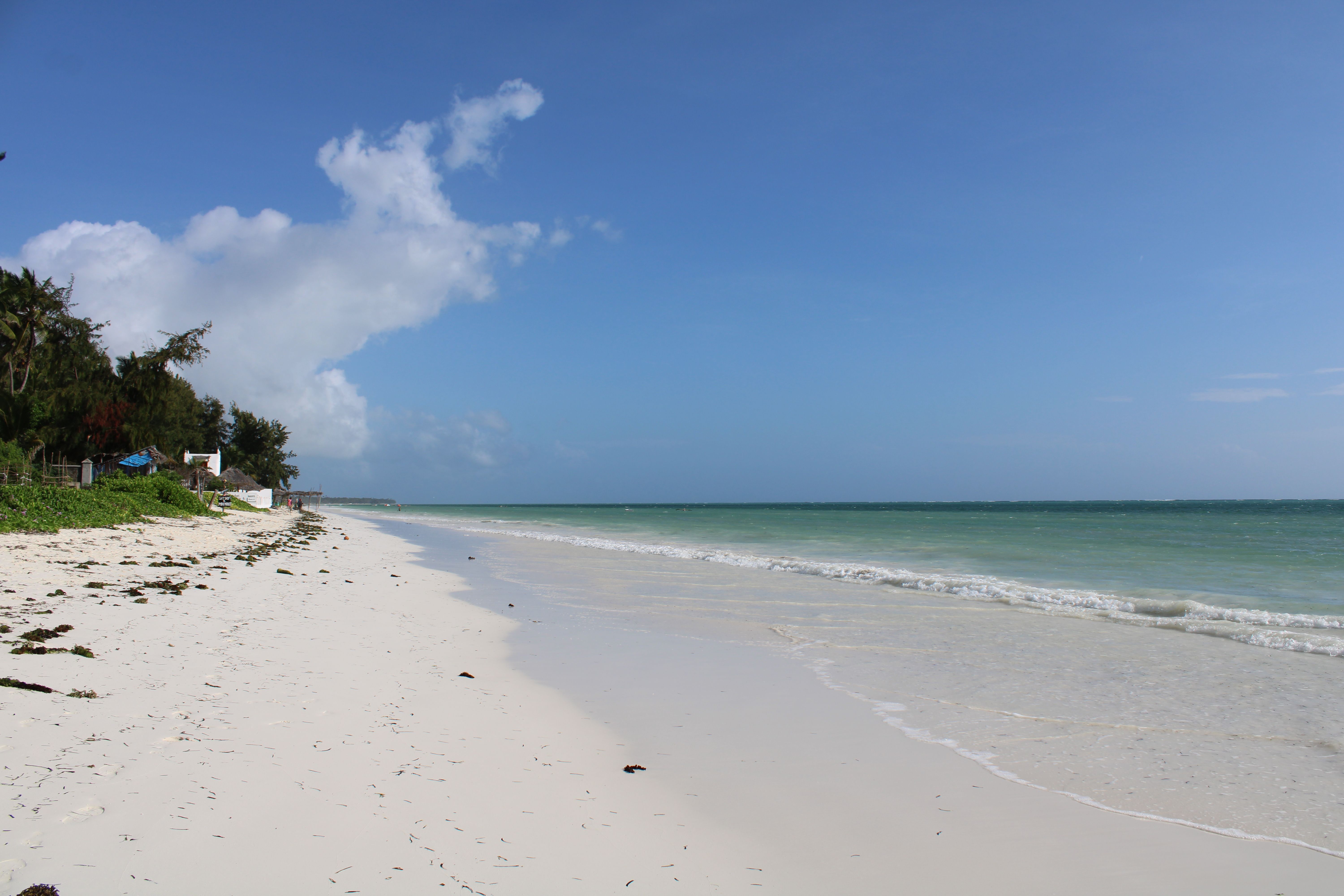
Mozambique — Quirimbas Archipelago coral island, Indian Ocean

East Africa · Quirimbas & Bazaruto Archipelagos

Mozambique

Private coral islands in the Quirimbas Archipelago, the Indian Ocean's last viable dugong population in the Bazaruto, and whale shark encounters in shallow warm water. Africa's most remote Indian Ocean.

No need to read on

Skip ahead — plan your Mozambique escape now.

Tell us your dates and your pace. Personalised suggestions, never confirmed reservations.

Plan My Escape — £19.99

The Case for Going

The Indian Ocean's most pristine reef systems, a marine mammal seen nowhere else in Africa, and private islands that reward the journey.

Mozambique is the correct answer when "Indian Ocean" and "genuinely remote" must coexist. The country's 2,470-kilometre coastline faces the Mozambique Channel — the arm of the Indian Ocean between mainland Africa and Madagascar — and its two principal archipelagos (the Quirimbas in the north, the Bazaruto in the centre) preserve marine ecosystems of extraordinary richness precisely because the political instability and infrastructure underdevelopment of the past half-century left them largely un-fished and un-developed.

The Bazaruto Archipelago's distinction is the dugong: the gentle marine mammal (closest living relative of the elephant, not the dolphin) whose Indian Ocean population has been reduced to a few hundred individuals outside the Persian Gulf. The Bazaruto channel holds the largest remaining herd in the southern Indian Ocean, protected since 1971 by the Bazaruto Marine National Park. To see a dugong in the wild in Africa, you come to Bazaruto. There is no alternative.

The Quirimbas Archipelago's distinction is its reef: the Quirimbas National Marine Park (1,500 sq km, established 2002) protects a reef system of extraordinary biodiversity in water of exceptional clarity. Combined with the private island lodge infrastructure — Azura Quilalea, Anantara Medjumbe, Vamizi — the Quirimbas offers an Indian Ocean beach experience of the highest order in a setting that the Maldives, for all its refinement, cannot replicate.

The Destination at a Glance

A 2,470-km East African coastline: the Quirimbas in the north (coral reef, private islands, UNESCO Marine Park) and the Bazaruto in the centre (dugong, humpback whale, coral sand).

Mozambique is accessed from the UK via Nairobi (Jomo Kenyatta International, Kenya Airways or British Airways connection), Addis Ababa (Ethiopian Airlines), or Johannesburg (for the Bazaruto, given Vilanculos Airport is served from O.R. Tambo). Maputo (the capital, southern Mozambique) is the main international airport; Pemba (Cabo Delgado Province) is the gateway to the Quirimbas. From Pemba, charter flights service the island airstrips (Medjumbe, Quilalea, Vamizi); from Vilanculos, light aircraft or speedboat transfers reach Benguerra and the other Bazaruto islands in 20–40 minutes.

Portuguese colonial influence (Mozambique was a Portuguese colony until independence in 1975) is visible in the architecture of Ilha de Moçambique (the island historical capital, a UNESCO World Heritage site), the country's official language, and the peri-peri (piri piri) chilli culture that Mozambique shares with Portugal and that has influenced cuisines from Nando's to Brazil.

Best Time to Visit

When to go.

May – Oct

Dry Season

The main season: dry, warm, and clear. Humpback whale transit (July–September, both archipelagos). Best diving visibility. The whale shark season building towards October's peak.

Oct – Dec

Whale Shark Season

The whale shark aggregation peaks in October at both the Quirimbas and Bazaruto. Sea turtle nesting begins (November). The shoulder before the festive season offers the best combination of marine wildlife and lodge availability.

Our Pick

August

The dry season's most settled month. Humpback whales at their most active. Excellent diving visibility. The days long and warm without the humidity that builds from November. The most complete Mozambique marine month.

Where to Stay

Five worth knowing.

01

Azura Quilalea Private Island

Quirimbas Archipelago, northern Mozambique

Nine villas on a privately leased 60-hectare coral island in the Quirimbas Archipelago — the Indian Ocean island chain of eleven inhabited and twenty-one uninhabited islands in northern Mozambique's Cabo Delgado province. Quilalea is one of the most secluded properties in the Indian Ocean basin: the island's surrounding reef (the Quirimbas National Marine Park, protecting 1,500 sq km of pristine Indian Ocean reef) supports whale shark aggregations, manta ray, humpback whale (July–September), and a reef fish diversity that rivals the Maldives. The island itself is covered in indigenous coral rag forest; the nine villas are the only structures.

Best for

Couples who want the most secluded and most marine-rich private island experience in the Indian Ocean basin south of the Maldives — Quilalea's combined reef quality and island exclusivity is unmatched in Africa.

02

Anantara Medjumbe Island Resort

Medjumbe Island, Quirimbas Archipelago

Twelve beach villas on Medjumbe — an island of extraordinary marine position within the Quirimbas National Marine Park, 2 kilometres wide, with an airstrip at one end and the resort at the other. The surrounding reef is one of the deepest and least dived in the Indian Ocean, with visibility regularly exceeding 30 metres in the dry season and whale shark and manta ray encounters from direct snorkelling access off the beach. The Anantara Over-Water Spa (Mozambique's only true over-water spa) and the Dhow restaurant (the most atmospheric dining setting in the archipelago) make Medjumbe the most complete resort in the Quirimbas.

Best for

Couples who want the Quirimbas marine experience with the additional refinement of Anantara's hospitality standard and the Over-Water Spa — the most polished resort product in the archipelago.

03

Azura Benguerra Island

Benguerra Island, Bazaruto Archipelago

Twenty villas on Benguerra Island in the Bazaruto Archipelago — the five coral islands 20 kilometres offshore from Vilanculos, a UNESCO Biosphere Reserve protecting the last viable dugong population in the Indian Ocean south of the Persian Gulf. Benguerra Island itself is 11 kilometres long and 5 wide, covered in indigenous coastal forest and freshwater lakes (rare in a coral island system); the surrounding channel between the Bazaruto islands is the site of the dugong herd (60–80 individuals, the most endangered marine mammal in the southern hemisphere) and the seasonal humpback whale transit.

Best for

Couples who want the Bazaruto Archipelago marine experience — the dugong encounter, the humpback whale transit, and the extraordinary freshwater lake ecosystem on a coral island — in a genuinely intimate resort.

04

&Beyond Benguerra Island

Benguerra Island, Bazaruto Archipelago

The original luxury lodge on Benguerra Island, established in 1988 and now under &Beyond management — ten beach bandas and five beach houses with direct ocean access, a deep institutional knowledge of the Bazaruto Marine National Park, and the most experienced marine guide team in the archipelago. The &Beyond model (community conservation, ranger training, anti-poaching monitoring) gives stays a conservation depth beyond the beach resort experience; the dugong monitoring programme, in which guests can participate, is the only citizen science project of its kind in the Indian Ocean.

Best for

Couples who want the longest-established Bazaruto lodge with the deepest institutional knowledge of the archipelago's marine conservation — the &Beyond team's dugong and whale knowledge is unmatched in southern Africa.

05

Vamizi Island Lodge

Vamizi Island, Quirimbas Archipelago

Thirteen villas on Vamizi — the northernmost island in the Quirimbas Archipelago that accepts guests, at the edge of Tanzania's exclusive economic zone. Vamizi operates as a conservation-first private island: the reef immediately offshore (the Vamizi Marine Reserve) has been under protection and monitoring since the lodge opened in 2006 and is one of the most biodiverse in the western Indian Ocean. The lodge's research partnership with international marine biology institutions gives guests access to ongoing reef monitoring; the nesting loggerhead and green sea turtles (November–March) are accessible from the beach.

Best for

Couples who want the most conservation-focused private island in the Indian Ocean, with direct participation in active marine research and the most northerly and least-visited position in the Quirimbas.

Reef, Dugong & Dhow

What to do.

Whale shark snorkelling

The whale shark (Rhincodon typus) — the world's largest fish, reaching 12 metres and 20 tonnes, entirely filter-feeding and entirely harmless — aggregates in the warm shallow water of the Mozambique Channel in concentrations among the highest in the Indian Ocean. Snorkelling with whale sharks (scuba diving with them is not permitted by the lodges, to avoid disturbing the feeding behaviour) is accessible from Azura Quilalea, Anantara Medjumbe, and the Bazaruto lodges; the whale shark guides track the fish from the boat and lower snorkellers into the water in their path. The encounter — a shadow the size of a school bus passing beneath you in clear water — is among the most compelling wildlife experiences in the Indian Ocean.

Dugong encounter, Bazaruto

The Bazaruto channel's dugong herd (60–80 animals) is the only viable population of this species in southern Africa. Dugong encounters are conducted from the lodge's motorised dhow: the guide positions the boat over the seagrass meadow where the herd feeds, and the animals surface every few minutes to breathe (they are obligate air breathers). The encounter is entirely non-invasive; the lodge's strict approach to distance (no swimming or snorkelling in direct contact) is the standard across all Bazaruto operators. The &Beyond Benguerra team runs the most structured and educationally contextualised dugong programme in the archipelago.

Ilha de Moçambique day trip

Ilha de Moçambique (Mozambique Island) — the 3-kilometre coral island that was the capital of Portuguese East Africa from 1507 to 1898 — is a UNESCO World Heritage Site of extraordinary historical complexity: the oldest European fortification in sub-Saharan Africa (São Sebastião Fort, 1522), the Governor's Palace, and the Church of the Misericórdia, alongside the macuti town (the traditional thatched settlement of the island's African and Swahili populations). A day trip from Pemba (45 minutes by road to Nacala, then across the bridge) provides a historical and architectural experience that no beach resort visit to Mozambique's north coast should miss.

Dhow sailing and sunset cruise

The traditional Arabic dhow — the wooden sailing boat with a distinctive lateen sail that was the primary vessel of Indian Ocean trading from the 8th century — is still built and operated in Mozambique using traditional techniques. A sunset dhow cruise from any Bazaruto lodge (the Vilanculos channel, with the islands and the mainland mountains behind) or from an Ibo Island base in the Quirimbas (the oldest Arab trading settlement in East Africa south of Zanzibar) is the most atmospheric way to end an Indian Ocean island day. The Ibo Island Lodge dhow programme (day-long dhow sailing between Quirimbas islands) is the most adventurous version.

What to Eat and Drink

Peri-peri prawns, freshly speared fish, and Tipo Tinto rum on the beach.

Mozambican cuisine is the most Portuguese-influenced in sub-Saharan Africa: the peri-peri (piri piri) chilli, brought to east Africa by the Portuguese in the 16th century and cultivated in Mozambique to a heat level and flavour quality that the Portuguese imported back, is the defining condiment. The most celebrated Mozambican dish is camarão peri-peri — prawns from the Zambezi Delta, split, marinated in peri-peri paste, and grilled over charcoal. The Mozambique prawn (camarão) is the largest commercially caught prawn species in the Indian Ocean, and the Mozambique Channel's wild-caught prawns are among the most celebrated seafood ingredients in southern Africa.

At the island lodges, the food programme is typically built around what the fishing team catches daily: grilled crayfish (the Mozambican spiny lobster, found in the coral reef crevices), whole-grilled snapper and kingfish, and the chef's peri-peri preparation of whatever has been speared. Tipo Tinto (Mozambique's national dark rum, produced from Zambezi Valley sugarcane) is the correct sundowner spirit; caipirinha-style cocktails made with it are the most atmospheric beach drink in southern Africa.

The Bespoke Horizons View

The Indian Ocean's last genuinely remote luxury destination.

Mozambique rewards the traveller willing to work for it. The journey (Nairobi connection, Pemba charter, island transfer) takes a full travel day; the reward is an Indian Ocean island that the Maldives circuit has not reached, with reef systems that have not been dived by thousands of annual visitors and a marine wildlife assemblage (dugong, whale shark, humpback whale, manta ray) that is genuinely extraordinary.

For our clients, we typically recommend the Mozambique-Kruger combination: five nights Singita Sabi Sand, fly to Mozambique via Johannesburg, four nights Azura Benguerra (dugong, whale sharks in season) or four nights Azura Quilalea (most remote, best reef). The safari-to-coral-island combination in southern Africa is one of the world's defining luxury travel itineraries.

A dugong surfacing to breathe in the Bazaruto channel at dawn. The only place in Africa you see this. The journey earns its reward.

Essential Information

The practical detail.

Currency
Mozambican Metical (MZN); USD accepted at all lodges in tourist areas; lodge bills usually quoted in USD
Language
Portuguese (official); English spoken at all luxury lodges; Swahili spoken in the north
Flights from UK
10–12 hours to Maputo or Pemba via Nairobi, Addis Ababa, or Johannesburg; onward charter flights to archipelago airstrips 45–60 minutes
Time zone
GMT +2 (CAT)
Visa
e-Visa required for UK citizens: apply at evisa.gov.mz, approximately USD 35; the Quirimbas National Marine Park entry fee is included in most lodge rates
Malaria
Mozambique is a high malaria risk destination; anti-malarial prophylaxis required; consult travel clinic minimum 6 weeks before travel
Yellow fever
Yellow fever vaccination required if arriving from a yellow fever zone; carry the yellow card
Budget range
£600–£2,500 per person per night at Azura Quilalea and Anantara Medjumbe; Bazaruto properties from £400

Frequently Asked

Questions, considered.

Plan Your Mozambique Escape

Your personalised Mozambique itinerary, in your inbox within minutes.

Azura Quilalea or Anantara Medjumbe for the Quirimbas reef, &Beyond or Azura Benguerra for the Bazaruto dugong — or the full Kruger-and-coral combination that makes the most of southern Africa.

Bespoke Horizons provides personalised travel planning and itinerary suggestions. We are not a booking agent and all recommendations are non-binding.

Ready to plan your Mozambique escape?

Plan My Escape — £19.99